
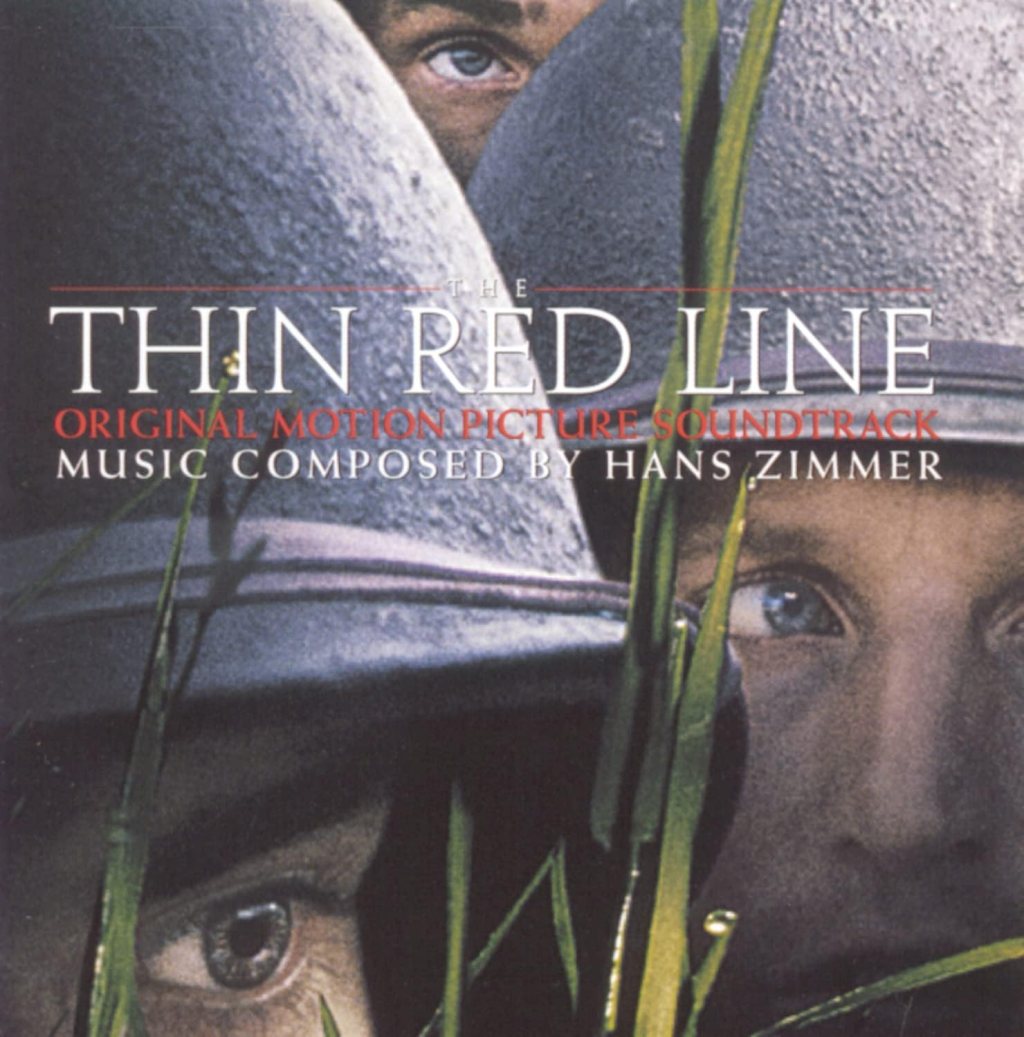
War movies are a tricky subject. How can you glorify such carnage without feeling remorse? Exploiting human suffering for box office results always felt off and I’m wary of the genre most of the time, even if I’ve indulged into a few of these flicks in the past.
The one exception is Terrence Malick’s adaptation of James Jones’ 1962 novel. In contrast to Andrew Marton’s 1964 version, Malick stays away from the gung ho approach, and opts for a meditative, sometimes ponderous piece that marries beautiful nature shots with the insanity of the Pacific campaign.
Some of these shots, isolated from the savage battles, show an uncaring nature that will outlive all those involved. Like any Malick movie, it’s the beauty of showing and not telling an audience. You don’t need a degree on film studies to love his film, just a little patience and you’ll be rewarded. A little pretentious? Sure. And it’s worth it.
Casting focused of then unknowns Ben Chaplin, Jim Caviezel, and Adrien Brody. From time to time, you get lost and can tell them apart, something done by design to make them equal. Big names also got cast, with Sean Penn as a cynical sergeant and Elias Koteas as a captain with a high sense of duty (and panic). Even bigger names (at least back then) like George Clooney, John Travolta, and Nick Nolte get bit parts with important pieces of boasting language, a commentary on the altered reality people in command sometimes get drunk on.
It’s an antiwar film that manages to stay true to the madness of conflict while still condemning it. All is perfectly woven together by Hans Zimmer’s majestic score. Mournful, it marries duty with tragedy, with Journey to the line being the embodiment of the whole movie. Mysterious, unnerving and leading to a tragic epic climax that follows a meditative denouement. It’s my fave Hans Zimmer piece, followed closely by The Walk Home (from the underrated comedy Cool Runnings) and Burn it all (from Backdraft).
-Sam J. Valdés López


